Narramblings #13: Square princess
She doesn’t get to be the protagonist, but she still carries the entire story structure.
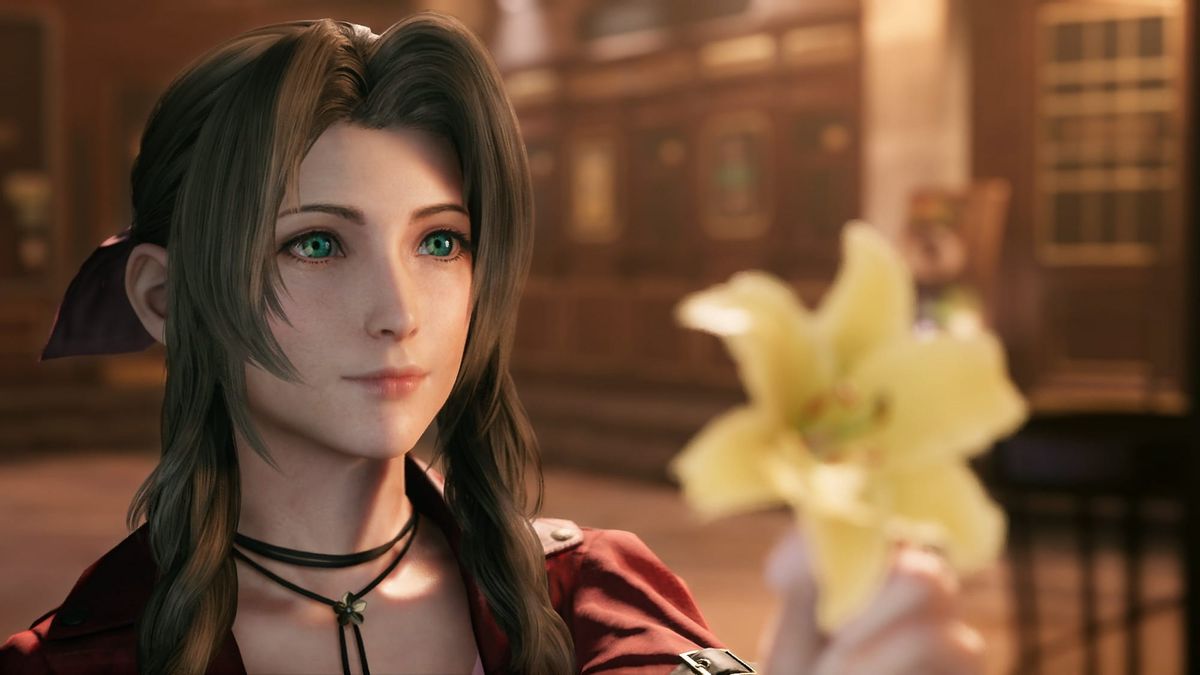
You know how Disney princesses are a quintessential element of some of the most successful Disney films? I’ve been playing Final Fantasy VII: Rebirth recently and realised that in games, a version of that phenomenon is the Square princess. Unlike her Disney counterpart, she doesn’t get to be the protagonist, but she still carries the entire story structure.
Spoilers ahead! For: Final Fantasy VII, VIII, IX, and X
Let’s go back a few generations, to the golden era of jRPGs. We're in the heyday of Squaresoft (now Square Enix), hence the name for our princesses. Each of them is the fulcrum around which the entire plot revolves, despite not being the main character. A male lead is on his grand quest that will inevitably lead to saving the world but it is the female companion - the Square princess - that creates the stakes.
In Final Fantasy VII, Aeris is far more important than Cloud. She is the last living Cetra and the only person capable of stopping Sephiroth's meteor. Being Cloud's love interest, she is also the source of his motivation to protect her and pursue Sephiroth. Even after Aeris is killed, ensuring her sacrifice wasn’t in vain drives the plot forward.
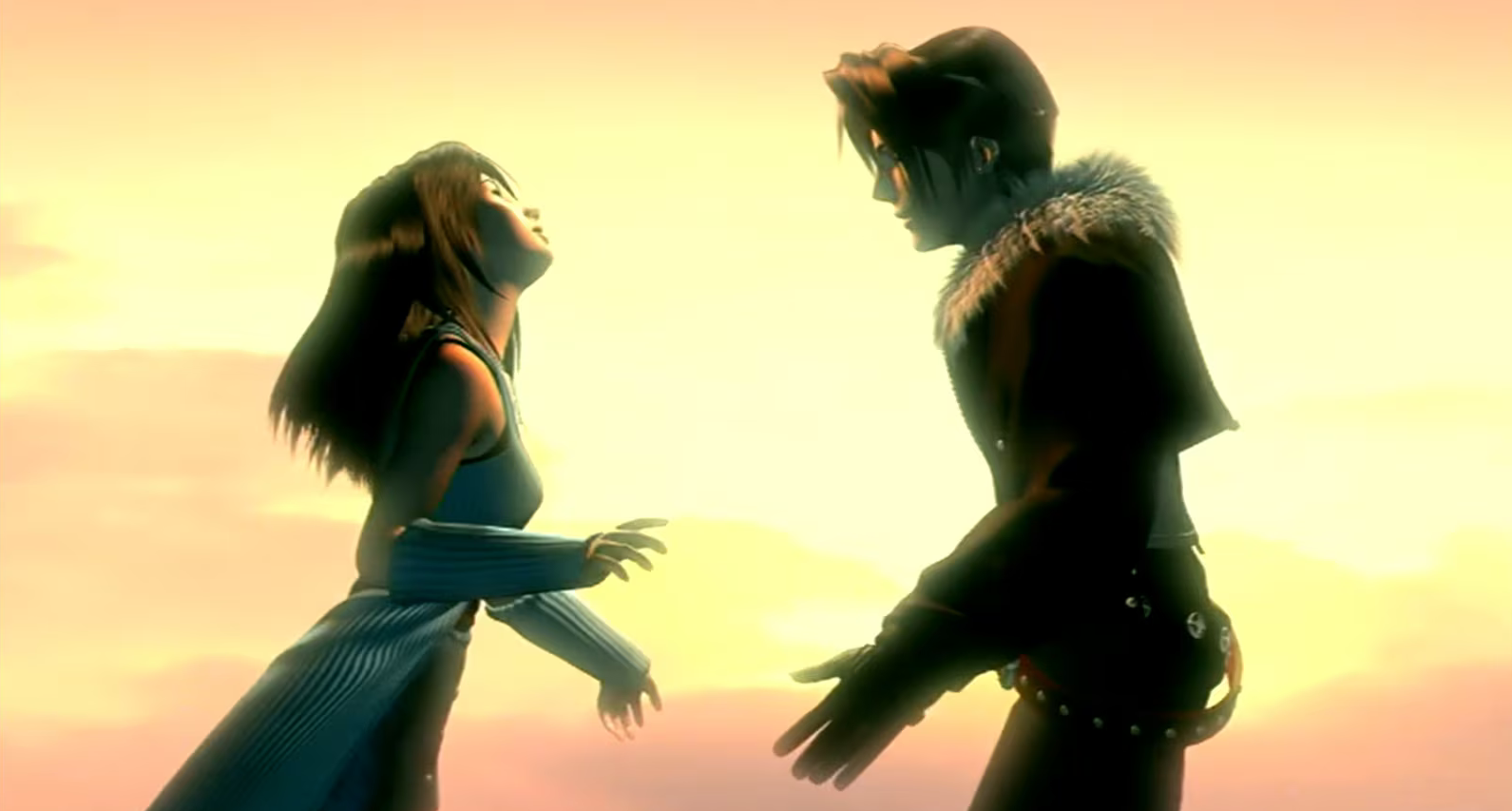
Final Fantasy VIII’s story is a jumbled mess of time travel, erased memories, unlikely coincidences, and wall-to-wall nonsense - but the bones of the Square princess are clearly there. Rinoa is a sorceress and the last viable vessel for Ultimecia to channel her power and complete the evil plot which involves whatever it is that Ultimecia wants to do. Everything revolves around Rinoa. Squall is there because he loves her and because he’s a member of the faction opposing Ultimecia (I think?).
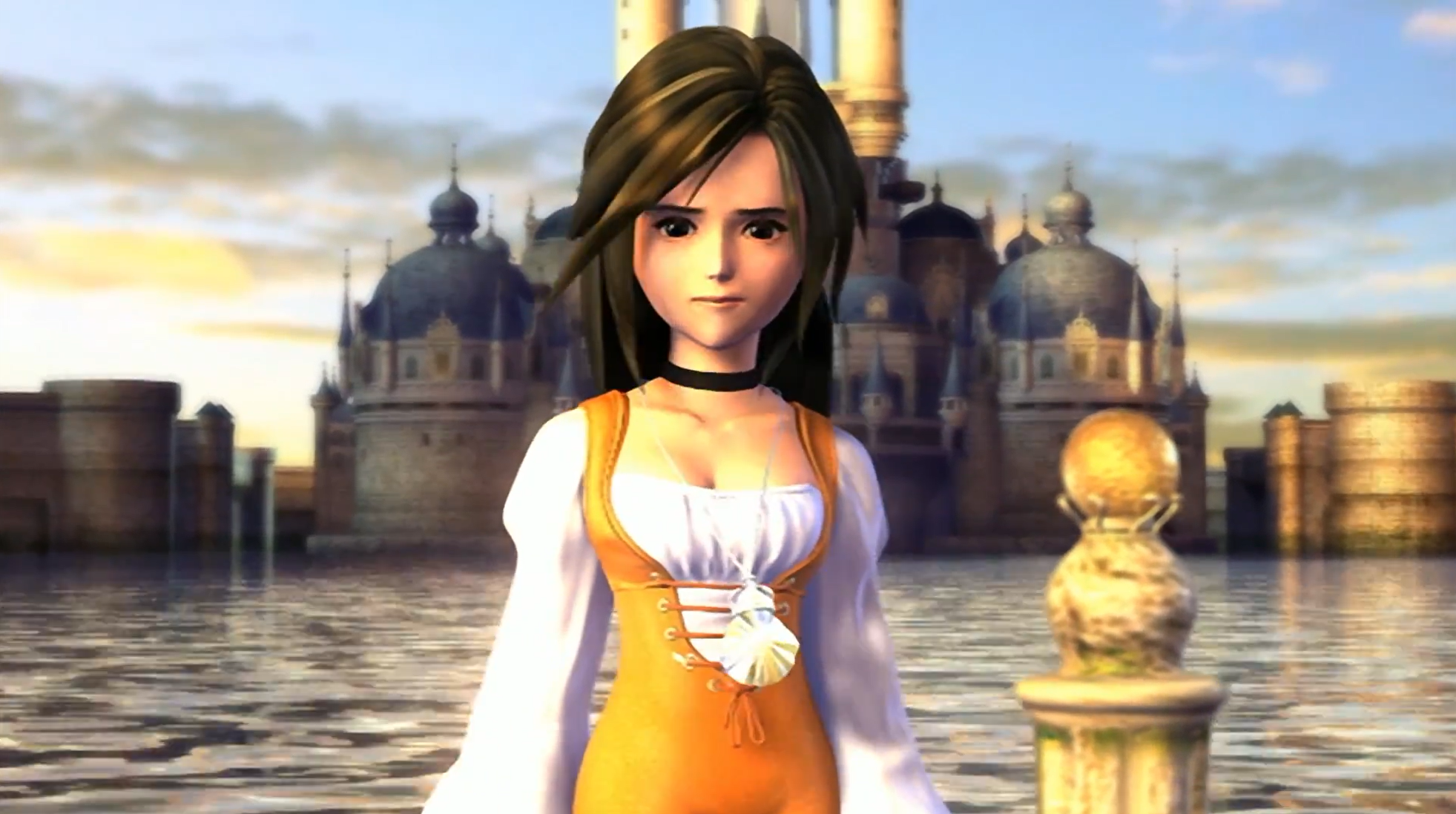
In Final Fantasy IX, Garnet is a literal princess. More importantly, she is also one of the last remaining people capable of calling upon the power of eidolons. Power that queen Brahne and Kuja spend most of the game trying to steal for their nefarious purposes. Zidane first wants to kidnap Garnet and then to protect her and until very late he is far less important to the overarching plot than her.
Then in Final Fantasy X we have Yuna on a pilgrimage to face Sin and sacrifice herself for the sake of humanity. Tidus falls in love with her and, unaware this is a suicide mission, tags along. The quest, however, is primarily Yuna's.
Because of the gendered setup of these stories, it would be easy to dismiss them as just a twist on the damsel in distress trope. An important and beautiful woman is in trouble and a fierce, strong male lead arrives to save the day. They fall in love, they save the world, curtains. And look, there sure are shades of damsel-in-distressing here but it's worth looking past that to see a powerful story structure for RPGs.
A defining aspect of a Square princess is the unique power she wields. Aeris is a Cetra, Rinoa a sorceress, Garnet a summoner, and Yuna leads the pilgrimage. This roots the global stakes - the fate of the world - in someone else than the main character. The protagonist, instead of being some prophesied chosen one, is pushed into a supporting role in the larger story. For this setup to work, the writers need to nail two things.
First, a relationship between the main character and the princess. To get invested in saving a world we first need to be invested in its inhabitants. Cloud cares about stopping the meteor because he cares about Aeris and she gave her life for that. Zidane gets roped into saving the planet because that's where trying to restore Garnet's powers and memory leads him. Tidus wants to stop Sin because that’s Yuna’s quest and when he learns the truth about her sacrifice, he is even more determined to save her.
Second, the protagonist’s personal arc that develops alongside the main plot. What makes these stories so rich is that despite the princess being central to the narrative, the main character's agency isn't entirely defined by their relationship. She is the source of the global stakes but he has personal ones at play, too. Cloud and Zidane need to find or regain their identities. Tidus wants to know what happened to his father. And I’m sure Squall desires something, too, but I have enough headaches without analysing Final Fantasy VIII. In each case, that personal story is deftly woven into the greater plot.
Square princess is worth looking into because it’s so different from western classics of the genre. In Mass Effect, Shepard is the first human Spectre and the only person to have seen the visions from the Prothean beacon, which immediately centers the plot on him. In Baldur’s Gate, the player is a child of Bhaal, in Skyrim the Last Dragonborn, and so on. In RPGs, the story is usually driven by the main character’s job, destiny, or lineage, not their relationship to someone else. That said, there have been some notable exceptions. Expedition 33 is a recent take on a Square princess - and perhaps the best game of the last few years. The Witcher 3 was also somewhat close to this kind of structure. Interestingly, both these stories remove romance from the protagonist-princess relationship and replace it with a family(-ish) dynamic to phenomenal results.
The Square princess is a narrative scaffolding for some of the most memorable stories and characters in the history of games. And, unshackled from the tired relationship dynamics, it stands the test of time and still holds up as a blueprint for RPG storytelling.